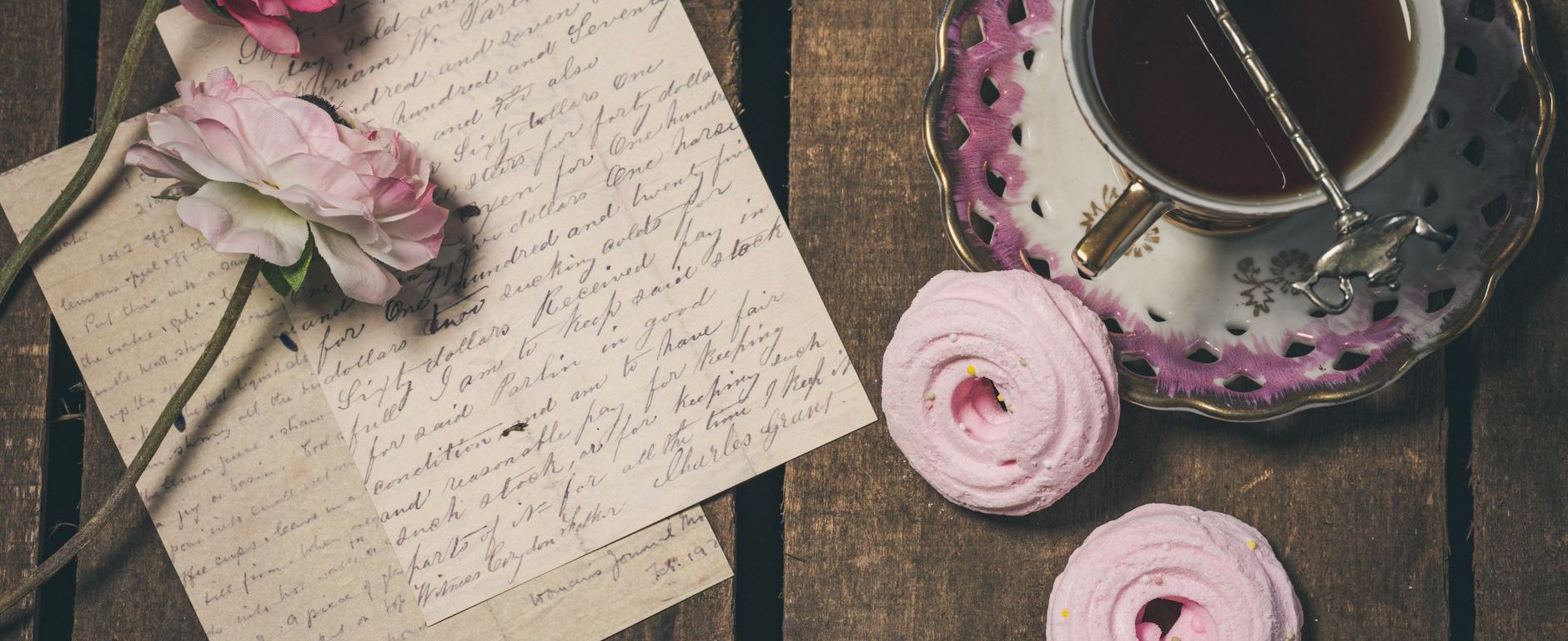
In a world of instant messages and quick replies, a handwritten letter has something magical.
A letter takes time.
It shows care.
It preserves memories.
And in French culture, writing beautifully is a way of showing respect, affection, and appreciation.
Learning French is not only about ordering a coffee or asking for directions. It is also about being able to express your feelings, thank someone, and create deeper connections.
Today, we are going to learn how to write a heartfelt letter in French.
Start Learning with a Native French Tutor
French is the language of emotions
Imagine you have spent a wonderful time in someone’s home. You want to thank them and tell them how much the experience touched you.
You could start your letter:
Chers Patricia et Jean-Michel,
Dear Patricia and Jean-Michel,
The word chers means “dear” and is used when writing to people you have an affectionate relationship with.
Other examples:
Cher ami,
Dear friend (masculine)
Chère amie,
Dear friend (feminine)
Chers amis,
Dear friends
Expressing gratitude in French
A beautiful letter often begins by expressing appreciation.
C’était tellement merveilleux d’être dans votre belle maison.
It was so wonderful to be in your beautiful home.
Vocabulary:
- merveilleux = wonderful / marvelous
- une maison = a house
- belle = beautiful
You can continue:
Merci de m’avoir fait sentir la bienvenue.
Thank you for making me feel welcome.
A more natural expression in French:
Merci de m’avoir accueillie si chaleureusement.
Thank you for welcoming me so warmly.
Describing a place that touched you
French allows you to describe places with emotion.
Je ne peux pas croire à la beauté de la région dans laquelle vous habitez.
I cannot believe the beauty of the region where you live.
Useful expressions:
Je ne peux pas croire…
I cannot believe…
La beauté
Beauty
Une région
A region
Dans laquelle
In which / where
Simpler version:
La région où vous habitez est magnifique.
The region where you live is magnificent.
Talking about memories
One of the most beautiful parts of a letter is sharing memories.
Je me souviendrai toujours du cerisier dans le jardin.
I will always remember the cherry tree in the garden.
The verb:
Se souvenir = to remember
Present:
Je me souviens.
I remember.
Future:
Je me souviendrai.
I will remember.
More examples:
Je me souviendrai toujours de nos conversations.
I will always remember our conversations.
Je me souviendrai de nos beaux moments ensemble.
I will remember our beautiful moments together.
Describing shared experiences
Letters are a beautiful way to bring memories back to life.
Nos beaux et délicieux repas.
Our beautiful and delicious meals.
Vocabulary:
- un repas = a meal
- délicieux = delicious
- beau / belle = beautiful
Example:
J’ai adoré nos délicieux repas dans le jardin.
I loved our delicious meals in the garden.
Sending photos and keeping the connection alive
When writing to someone after a special experience:
Je vous envoie des photos de nos bons moments.
I am sending you photos of our good moments.
Verb:
Envoyer = to send
Examples:
Je vous envoie une lettre.
I send you a letter.
Je t’envoie une photo.
I send you a photo.
Inviting someone to visit you
A letter is not only about the past. It creates future possibilities.
Vous êtes tous les deux les bienvenus si vous souhaitez venir me rendre visite à New-York.
You are both welcome if you would like to come visit me in New York.
Useful vocabulary:
Être le bienvenu / la bienvenue
To be welcome
Souhaiter
To wish / would like
Rendre visite à quelqu’un
To visit someone
Example:
Vous êtes les bienvenus chez moi.
You are welcome at my home.
Ending your letter beautifully
A French letter often ends with warmth:
Encore merci et à bientôt j’espère.
Thank you again and see you soon, I hope.
Other possibilities:
Avec toute mon affection,
With all my affection,
Amitiés,
Best wishes / friendship,
Je vous embrasse,
Sending you love (for close relationships)
Pronunciation Tips: Sound More French
Some important sounds from this lesson:
EU sound
Like in:
- peux
- veux
- deux
- délicieux
The sound does not exist exactly in English. Try rounding your lips while saying “uh”.
Silent letters
French often has silent letters at the end of words:
- vous êtes → “voo zèt”
- souhaitez → “sway-tay”
Similar sounds
Toi = you
Un toit = a roof
Same pronunciation, different meaning!
Trois = three
Your French Writing Challenge
Write your own thank-you letter.
Include:
- A greeting:
Cher / Chère…
- A memory:
Je me souviendrai toujours de…
- A thank-you:
Merci de…
- A future invitation:
Vous êtes les bienvenus si vous souhaitez…
- A warm ending:
À bientôt j’espère.
French is more than a language. It is a way of creating memories.
When you learn French, you do not only learn words.
You learn how to say:
“I appreciate you.”
“I remember this moment.”
“I hope we meet again.”
And sometimes, the most beautiful conversations begin with a simple handwritten letter.
Start Learning with a Native French Tutor

