When Anne Morrow Lindbergh married Charles Lindbergh in 1929, the world believed it already knew her role.
Charles was “Lucky Lindy”—the first man to fly solo across the Atlantic, a global icon, the most celebrated hero of his age. Newspapers called him the most famous man alive. When he chose a wife, the expectation was clear: she would smile for cameras, attend events at his side, and quietly disappear into the margins of his legend.
Anne Morrow had no intention of disappearing.
Born on June 22, 1906, in Englewood, New Jersey, she grew up in a household shaped by intellect and public service. Her father served as U.S. Ambassador to Mexico. Her mother was a poet who later became acting president of Smith College. Anne graduated from Smith herself, wrote poetry, and imagined a future defined by thought, reflection, and language—not engines or headlines.
Then Charles Lindbergh appeared at her father’s embassy in Mexico City.
He was confident, daring, magnetic. He invited her into the air. And something in Anne shifted. She discovered that the sky was not a place she had to admire from the ground—it could belong to her too.
In 1930, Anne became the first woman in the United States to earn a glider pilot’s license. She refused the role of passenger. If Charles was going to fly, she would fly as well—trained, prepared, and capable.
That same year, she served as navigator on a transcontinental speed-record flight with her husband. She handled radio communications, performed complex navigational calculations, and proved her place in the cockpit through skill rather than association. Over the following years, Anne flew tens of thousands of miles, helping map international air routes that later became foundations for commercial aviation.
She mastered Morse code and radio operation. In 1934, the National Geographic Society awarded her the Hubbard Gold Medal—the first woman ever to receive it—for her work as copilot and radio operator on exploratory flights covering five continents.
Anne Morrow Lindbergh was not ornamental. She was indispensable.
Then, in 1932, their lives shattered.
Their twenty-month-old son, Charles Jr., was kidnapped from his nursery. The case became known as the “Crime of the Century.” Media flooded their home. The nation consumed every update—ransom notes, searches, courtroom drama, and finally the devastating discovery of the child’s body.
Anne’s grief became public property.
Unable to escape the spectacle, she retreated inward—to writing. Words became the one space where she retained control, where sorrow could be shaped rather than exploited. She wrote through the trial, through exile in Europe, through years of rebuilding life for her surviving children.
Those European years brought controversy. In 1940, Anne published The Wave of the Future, a work later criticized for its political naivety. She acknowledged her error publicly and without defensiveness. “I didn’t have the right to write that,” she later said. “I didn’t know enough.”
But her story did not end there.
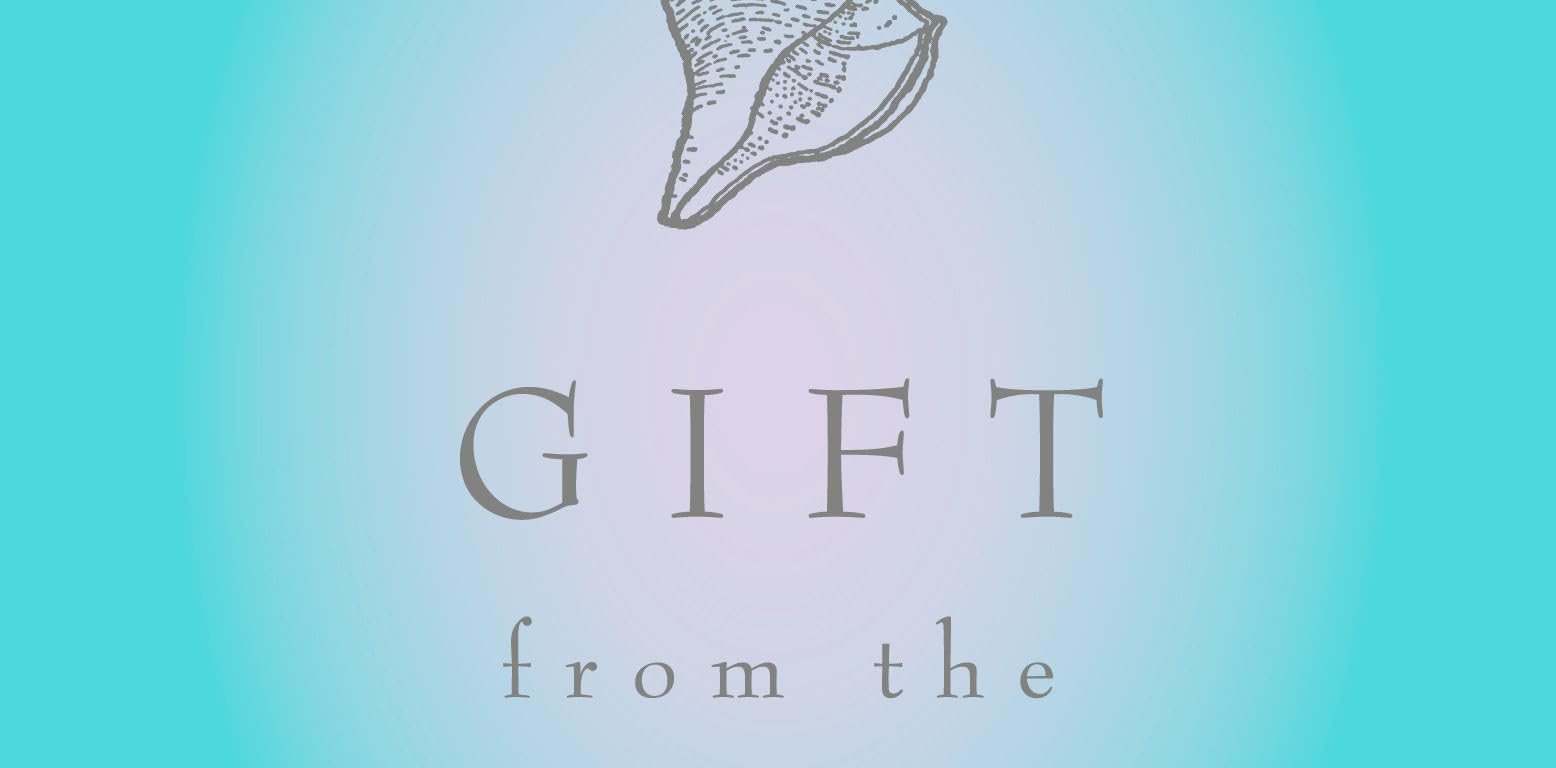
In 1955, Anne published Gift from the Sea—a quiet book written during a beach retreat, using seashells as metaphors for the stages of a woman’s life. It explored solitude, marriage, motherhood, identity, and the tension between inner fulfillment and external obligation.
The response was extraordinary.
The book sold millions of copies, was translated into dozens of languages, and stayed on bestseller lists for years. Women who felt erased by domestic roles found validation in its pages. Anne had articulated what many felt but could not name.
She continued writing for decades—poetry, memoirs, journals, and letters. Hour of Gold, Hour of Lead chronicled the years surrounding her son’s death with devastating clarity, its title capturing the duality of joy and sorrow that defined her life.
After Charles died in 1974, Anne lived quietly for another twenty-seven years, writing about solitude not as isolation, but as depth.
She died on February 7, 2001, at ninety-four.
History often remembers her as Charles Lindbergh’s wife. But Anne Morrow Lindbergh was far more: a pilot, a navigator, a bestselling author, and a thinker who transformed personal tragedy into enduring wisdom.
She lived in one of history’s longest shadows—and built her own light anyway.

