Scottish Witch Trials: The Women History Tried to Erase
Between 1563 and 1736, Scotland prosecuted thousands of people for witchcraft. Around 4,000 people are documented as having been accused, approximately 84% of them women. Historians estimate that around 2,500 people were executed.
Their crime? Being suspected of possessing powers that their neighbours, communities and authorities feared.
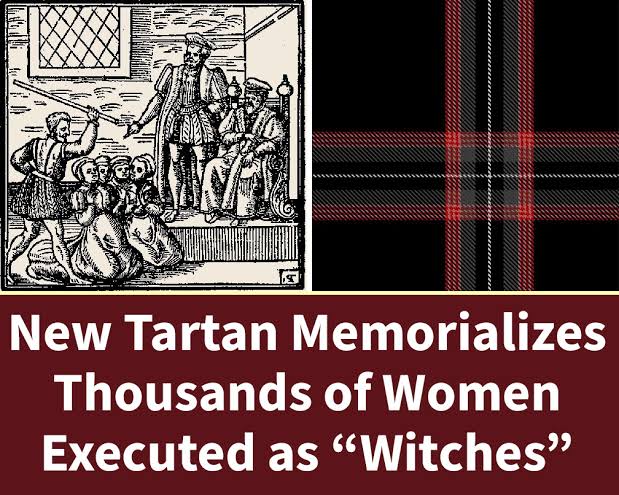
In an age when religious belief shaped the law, misfortune could become evidence. A quarrel followed by an illness, an unexplained death or a failed harvest could fuel suspicions of witchcraft. Accusations spread through communities, and the people caught in their path faced interrogation, public humiliation and, in many cases, torture.
Some confessed after being deprived of sleep or subjected to physical torment. Those confessions could then be used to condemn them.
These were not the fantastical witches of popular imagination. They were ordinary people living ordinary lives: women and men with families, neighbours, livelihoods and histories of their own. Yet once accused, they could find themselves trapped in a system that treated suspicion as proof.
Death without a grave
For those sentenced to death, the punishment was particularly brutal. Most were strangled at the stake before their bodies were burned. Burning was intended to destroy the remains and prevent the dead from returning, according to the beliefs of the time.
The consequences extended beyond death itself. Many victims were denied a recognised burial place, and the records preserving their identities were incomplete or lost. For countless individuals, even their names have disappeared from history.
The injustice was therefore twofold: first, their lives were taken; then, their memory was allowed to fade.
The Witchcraft Act was repealed in 1736. But the law’s disappearance did not automatically restore the dignity of those it had condemned.
Centuries later, campaigners are still working to bring their stories back into public consciousness.
A tartan woven with meaning
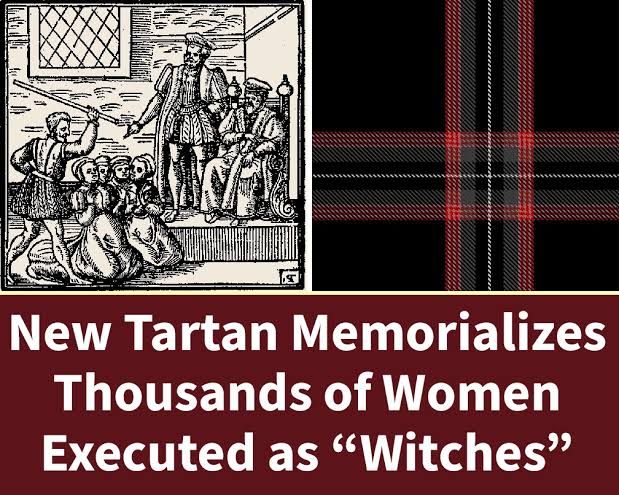
In February 2025, the WITCHES of SCOTLAND tartan was officially registered, transforming remembrance into something tangible.
Created through the campaign founded by advocate Claire Mitchell KC and writer Zoe Venditozzi, the design carries a meaning in every colour and thread.
Black and grey evoke the darkness of the persecution and the ashes of those whose bodies were burned. Red and pink represent the legal tape that bound the fate of the accused. At the centre of the design’s symbolism, a white check made of three threads represents the campaign’s three demands: a pardon, an apology and a national memorial.
And then there is the number that holds the entire story together: 173 black threads, representing the 173 years during which the Witchcraft Act remained in force.
A length of fabric becomes a historical record. Something that can be worn, passed down and seen by people who might otherwise never have encountered this chapter of Scottish history.
The tartan does not change what happened. It changes how easily the victims can be forgotten.
The fight for justice is not over
The WITCHES of SCOTLAND campaign was founded in 2020 to seek justice for those persecuted under the Act. In 2022, Scotland’s then First Minister, Nicola Sturgeon, issued a formal apology acknowledging the historic injustice.
That was an important step, but the campaign’s work continues. A legal pardon and a national memorial remain central to its mission.
A pardon would formally address the wrongful convictions. A memorial would give the victims a place in the landscape and in collective memory.
These demands raise a question that reaches far beyond Scotland: what does a society owe to people whom its own institutions condemned unjustly?
History cannot return the lives that were taken. It can, however, refuse to let the injustice stand as the final word.
The tartan is a quiet but powerful answer. Its threads preserve the duration of the persecution, the suffering of its victims and the continuing demand for recognition.
For generations, these people were remembered through the accusations made against them. Now, campaigners are working to restore something more fundamental: their humanity.
They were never simply names in a witch trial. They were people. And they deserve to be remembered as such.