À Medellín, en Colombie, dans un coin discret du quartier de Manrique,
un étrange rituel avait lieu chaque nuit, à 3 heures précises.
Toujours la même scène : des sandwichs enveloppés dans du papier aluminium,
glissés dans un sac plastique, suspendus à un lampadaire.
Personne ne voyait jamais la personne qui les déposait.
Mais les sans-abri du quartier, eux, savaient.
Ils attendaient.
In Medellín, Colombia, in a quiet corner of the Manrique neighborhood,
a strange ritual took place every night at exactly 3 a.m.
Always the same scene: sandwiches wrapped in aluminum foil,
placed inside a plastic bag, hanging from a streetlight.
No one ever saw who left them there.
But the homeless people of the neighborhood knew.
They waited.
À 3 h 15, il n’en restait plus un seul.
Cela a duré six ans. De 2016 à 2022.
Sans exception.
Ni sous la pluie.
Ni à Noël.
Ni le soir du Nouvel An.
By 3:15 a.m., not a single sandwich remained.
This went on for six years. From 2016 to 2022.
Without exception.
Not in the rain.
Not on Christmas.
Not on New Year’s Eve.
Puis, un jour de 2022, tout s’est arrêté.
Plus aucun sac. Plus aucun sandwich.
« Qu’est-il arrivé à l’homme aux sandwichs ? »
murmuraient les habitants.
Then one day in 2022, it all stopped.
No more bags. No more sandwiches.
“What happened to the sandwich man?”
people whispered.
Une travailleuse sociale, Carolina, a voulu comprendre.
Après des semaines d’enquête, un agent de sécurité nocturne lui confia :
« Je l’ai vu. Un homme âgé.
Il venait en moto, accrochait le sac, repartait.
Sans un mot. »
A social worker named Carolina wanted answers.
After weeks of searching, a night security guard finally told her:
“I saw him. An elderly man.
He came on a motorcycle, hung the bag, and left.
Not a word.”
Carolina a alors publié un message sur Facebook.
En deux jours, plus de 8 000 partages.
Puis un commentaire est apparu :
« Je crois que c’était mon père…
mais il est mort il y a cinq mois. »
Carolina posted the story on Facebook.
Within two days, it was shared more than 8,000 times.
Then a comment appeared:
“I think it was my father…
but he died five months ago.”
La femme s’appelait Lucía.
Son père, Hernán, 68 ans, ouvrier du bâtiment.
Peu de moyens, mais chaque nuit,
il préparait huit sandwichs
et les déposait à cet endroit précis.
The woman was named Lucía.
Her father, Hernán, was 68 years old, a construction worker.
He had very little, but every night
he prepared eight sandwiches
and left them at that exact spot.
Pourquoi ?
En 2015, Hernán avait perdu son fils Sebastián.
Il était mort dans la rue, exactement là.
Il avait 19 ans. Fragile. Pris dans l’addiction.
Son père l’avait cherché pendant des années,
sans réussir à le sauver.
Why?
In 2015, Hernán lost his son Sebastián.
He died on the street, right there.
He was 19 years old. Fragile. Struggling with addiction.
His father searched for him for years
and could not save him.
« Si quelqu’un lui avait donné à manger…
peut-être serait-il encore en vie aujourd’hui. »
“If someone had given him food…
maybe he would still be alive today.”
Deux semaines après l’enterrement, Hernán a commencé.
Chaque nuit.
Sans jamais manquer.
Parfois avec seulement du pain et du beurre,
quand l’argent venait à manquer.
Two weeks after the funeral, Hernán began.
Every night.
Without ever missing one.
Sometimes with only bread and butter
when money was scarce.
En six ans, il a préparé 17 520 sandwichs.
Il ne voulait pas savoir qui les mangeait.
« Si je les connais, je choisirai.
Comme ça, ils sont pour tous ceux qui ont faim. »
Over six years, he prepared 17,520 sandwiches.
He didn’t want to know who ate them.
“If I know them, I’ll choose.
This way, they are for everyone who is hungry.”
Quand l’histoire a éclaté, les messages ont afflué :
« Je les ai mangés pendant quatre ans. Ils m’ont sauvé. »
« Certains jours, c’était mon seul repas. »
« Aujourd’hui j’ai un travail, un logement.
Sans ces sandwichs, je ne serais peut-être plus là. »
When the story became public, messages poured in:
“I ate them for four years. They saved me.”
“Some days, it was my only meal.”
“Today I have a job and a home.
Without those sandwiches, I might not be here.”
Un mois plus tard, à l’aube,
43 personnes se sont retrouvées sous ce lampadaire.
Des bougies. Des fleurs.
Lucía était là, en larmes.
One month later, at dawn,
43 people gathered under that streetlight.
Candles. Flowers.
Lucía was there, in tears.
« Mon père n’a pas pu sauver mon frère.
Mais il en a sauvé tellement d’autres. »
“My father couldn’t save my brother.
But he saved so many others.”
C’est ainsi qu’est né le groupe
Les sandwichs d’Hernán.
Aujourd’hui, 47 personnes se relaient.
Une nuit par mois chacune.
Même endroit. Même heure.
That’s how the group
Hernán’s Sandwiches was born.
Today, 47 people take turns.
One night a month each.
Same place. Same time.
Deux ans ont passé.
Et les sandwichs sont toujours là.
Sur le lampadaire, une plaque.
Two years have passed.
And the sandwiches are still there.
On the streetlight, a plaque.
« Ici, pendant six ans,
un père a laissé 17 520 sandwichs
pour des enfants qui n’étaient pas les siens,
parce qu’il n’a pas pu sauver le sien.
Hernán, ton fils serait fier de toi. »
“Here, for six years,
a father left 17,520 sandwiches
for children who were not his own,
because he could not save his.
Hernán, your son would be proud of you.”
Chaque mois, à 3 heures du matin,
Lucía revient.
Et elle trouve toujours un sac.
Every month, at 3 a.m.,
Lucía returns.
And she always finds a bag.
Parce que l’amour véritable,
même silencieux,
laisse une trace qui ne disparaît jamais.
Because true love,
even when silent,
leaves a mark that never disappears.
Et toi…
qu’aurais-tu été prêt à faire,
chaque nuit pendant six ans,
pour honorer quelqu’un
que tu n’as pas pu sauver ?
And you…
what would you have been willing to do,
every night for six years,
to honor someone
you could not save?
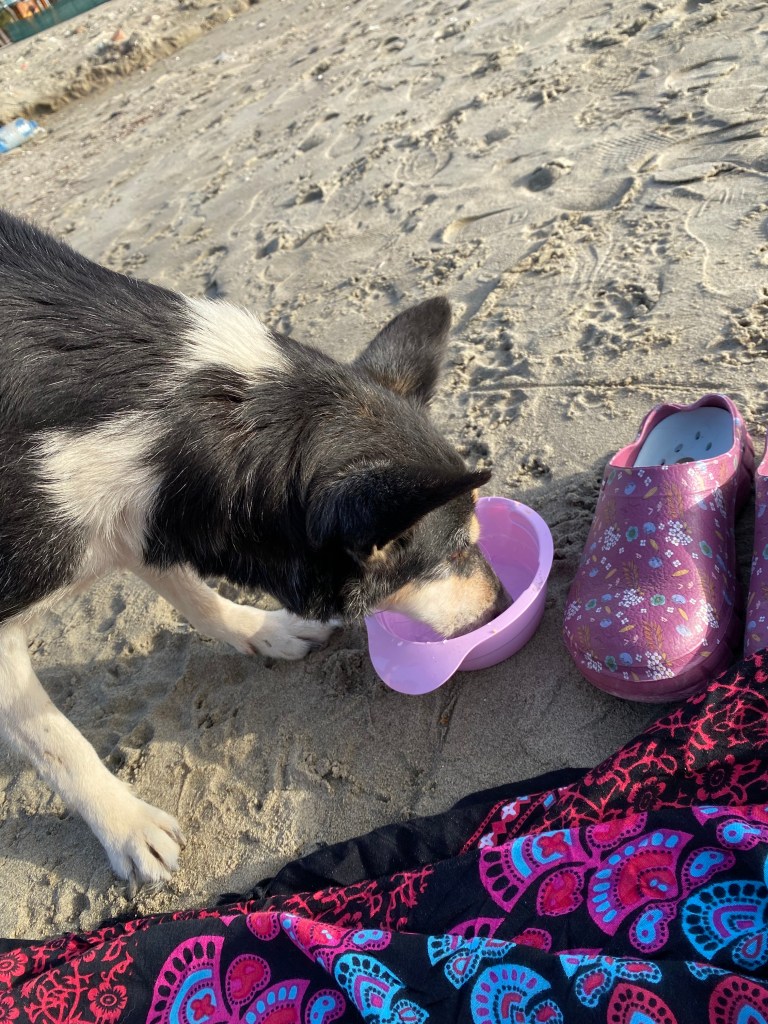
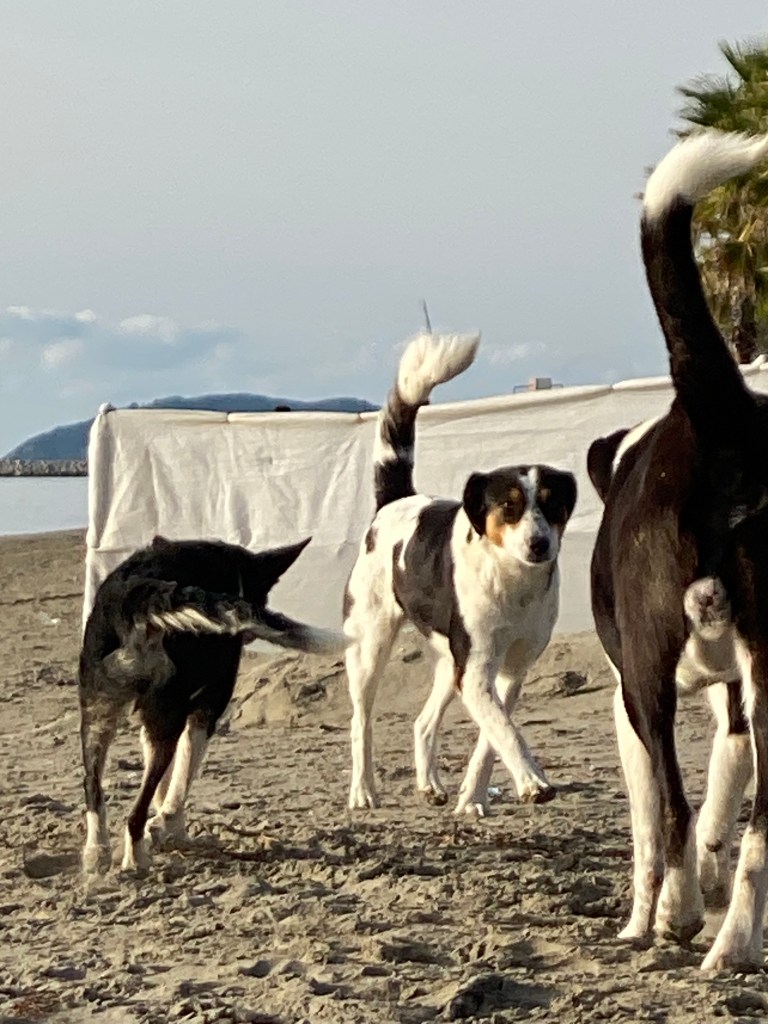
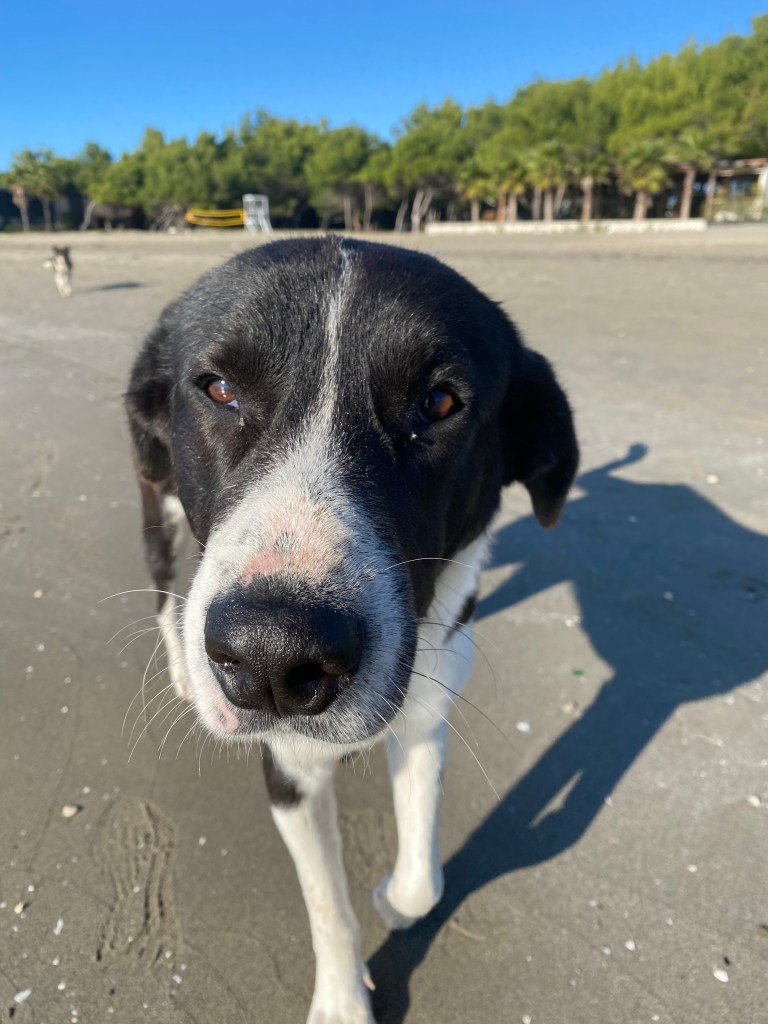
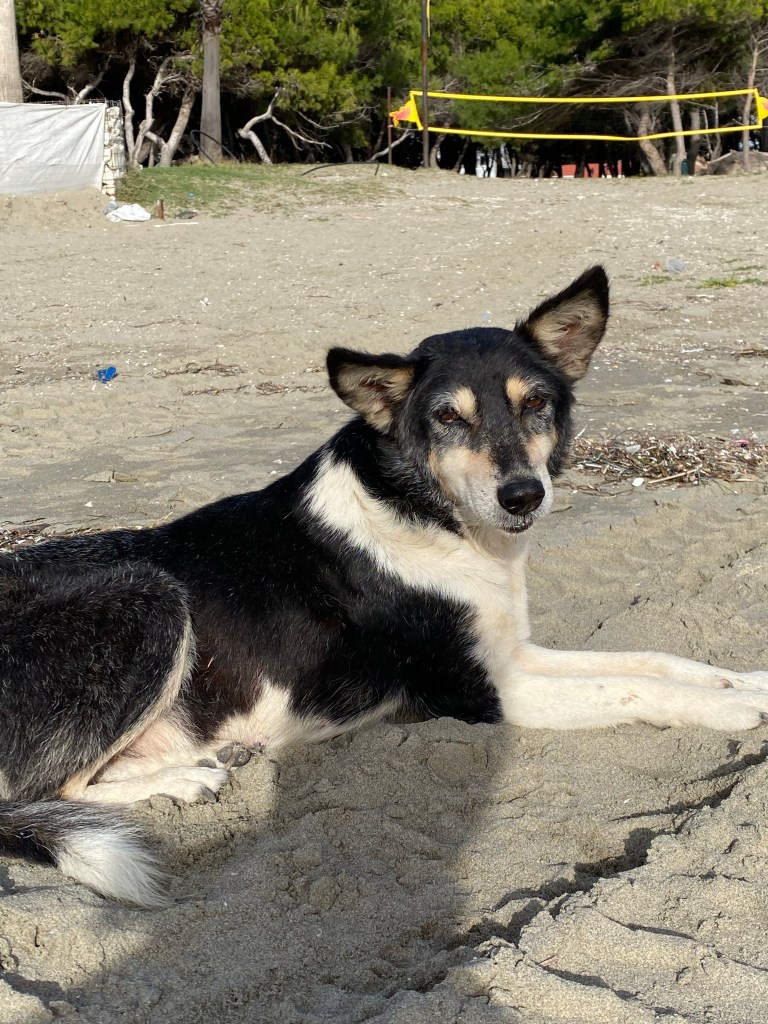
This year in October and November I fed and cooked for stray dogs in Albania for two months – some of them, whenever I would not come, had nothing to eat – one day I sat down on the beach and fell into tears, realizing the dog had had nothing since last time I came so I decided to fight for them
I went to the beach restaurants and told those who didn’t want to hear anything about this issue that they should make it change, because it isn’t « how it’s supposed to be in Albania, it is only their choice ». I left online reviews to let future clients know that some restaurants were intentionally engaging into cruelty towards innocent dogs (stealing even a bowl of water you would leave for them). I engaged in Facebook groups to put my foot down on the problem and make people realize it wasn’t normal to let all those dogs with no care at all, and I named it as what it is: « animal cruelty » which got me to be insulted on my personal profile
I still post in that local group to make people realize that those dogs don’t need a treat or to play, they need you to go to the shop, buy a tin of tuna or mackerels so they can have a boost of proteins that will keep them alive for a few more days
When the date of me leaving approached, I searched for someone who could keep doing what I did everywhere and couldn’t find anyone reliable… Until I found a shelter who accepted to delegate a volunteer to go to that location regularly and to this day, those dogs I love so much are still taken care of and I keep sending money for their food
And if you want to help them, you can PayPal them any amount you want on this address: straysalbania@gmail.com – they are real and trustworthy, you can connect with Liljana from her Instagram account and see their shelter profile >> Protect Me Albania: click here
And if you want a dog, know that the best thing that can ever happen to them is to find someone like you who will get them out of there! Feel free to get in touch about this.
I’m scared of thinking of what would have happened to one of them if I hadn’t stepped in and cooked for her for weeks until her waist refilled. After a few weeks, she started to eat like a normal dog again, meaning not out of desperation. I love dogs and I treat them like I would treat a child so I couldn’t sleep or watch myself in the mirror as long as one of them was still there, starving on that beach, just ten minutes away from me, while I had the capacity to buy them food
I’m sharing this because hunger is still all around us and this is unacceptable, whether it’s for animals or humans, same
So don’t close your eyes, don’t look the other way because our modern world has taught you that vulnerability is something to run away from – instead of helping – in order to create division between humans
The more we are divided, the more unfair power can rise
Instead of walking away, ask yourself: what can I do to help someone eat better?
Love to you and may your heart in 2026 be generous towards the vulnerable ones
Don’t forget that Evil often wears Prada
and that Cinderella wears rags (and is still a lot sexier)
Love, Emi


 POSITIVE SOCIAL IMPACT - Where Growth & Soulful collaborations happen
Thanks that information Happy new year.🏴☯️😊
LikeLiked by 1 person
Thanks – to you as well
LikeLike