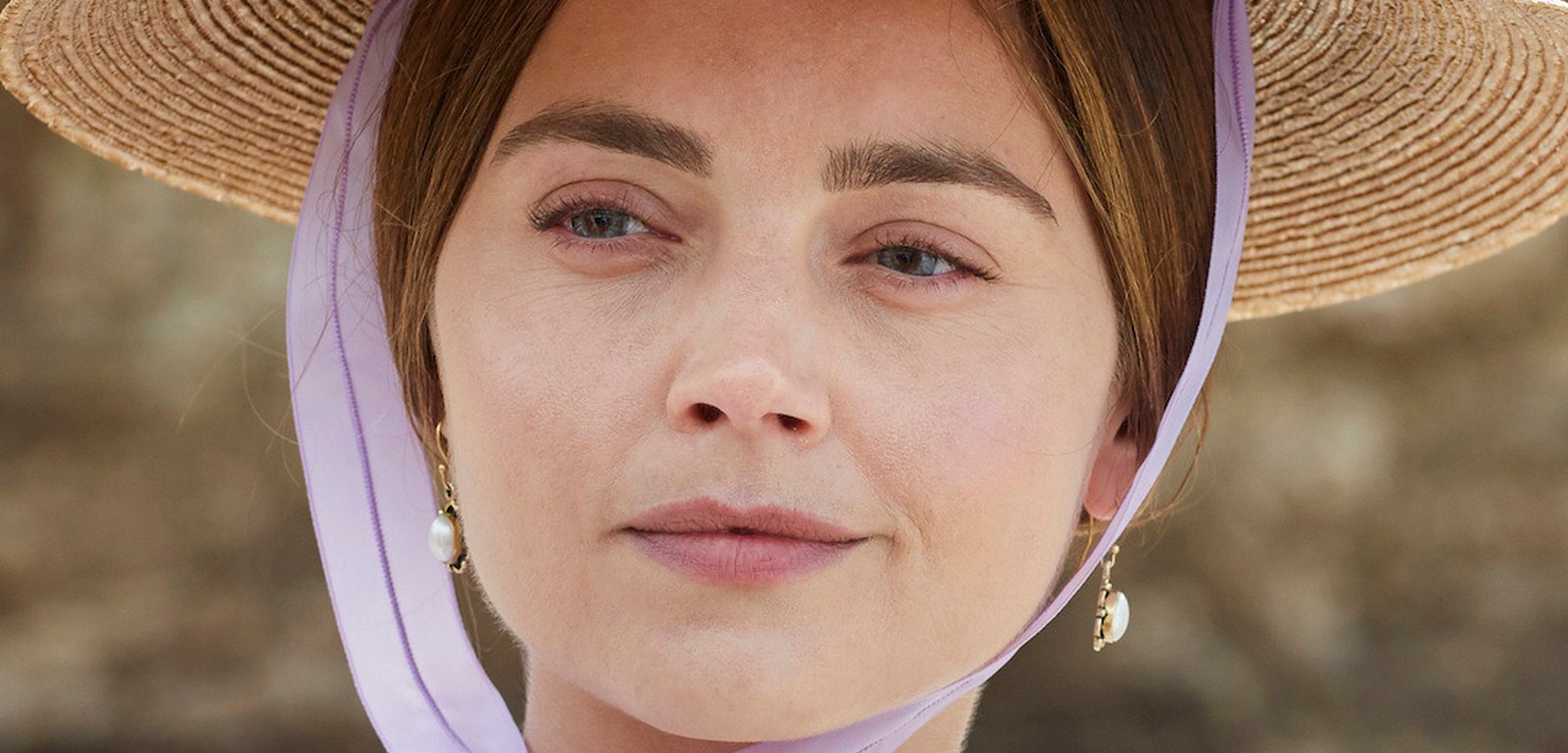
Watching the TV show Victoria on Netflix is a strange experience. At first, it feels like a beautifully crafted historical series — elegant costumes, refined manners, royal intrigue. And then, almost without warning, it becomes something else entirely: a confrontation. Not just with the 19th century, but with ourselves.
Set during the early reign of Queen Victoria, the show does far more than recount political events. It exposes the emotional architecture of power, the cost of hierarchy, and the deep, often brutal dynamics between men and women, parents and children, governments and people. What’s unsettling is not how distant this world feels — but how close.
Victoria becomes Queen in a society that has no place for a woman who rules in her own right. From the moment she ascends the throne, she is surrounded by men who question her judgment, mistrust her emotions, and frame her youth (small physical size) and femininity as liabilities. Power, in this world, is masculine by default. A woman may wear the crown, but she is constantly reminded that her authority is conditional.
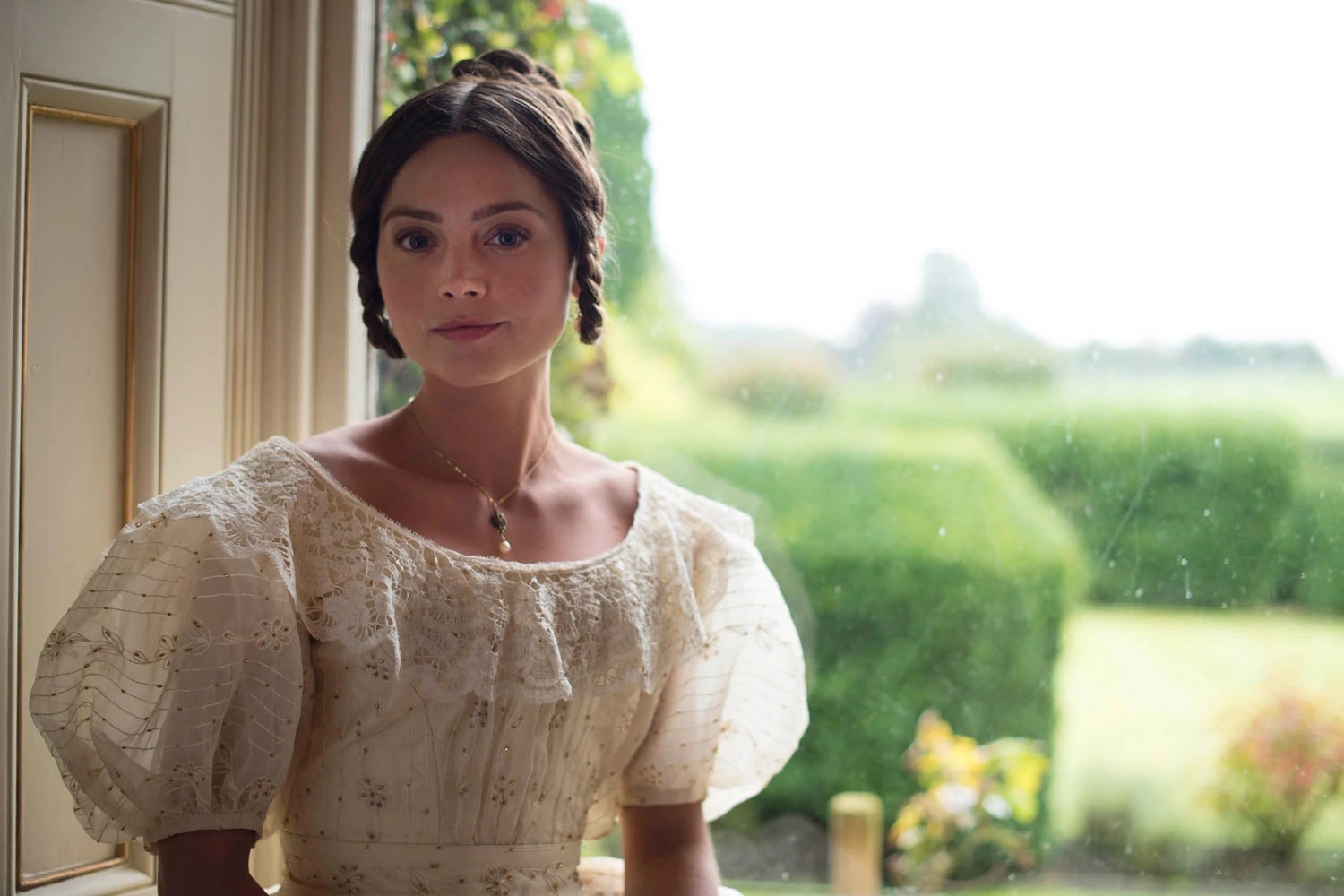
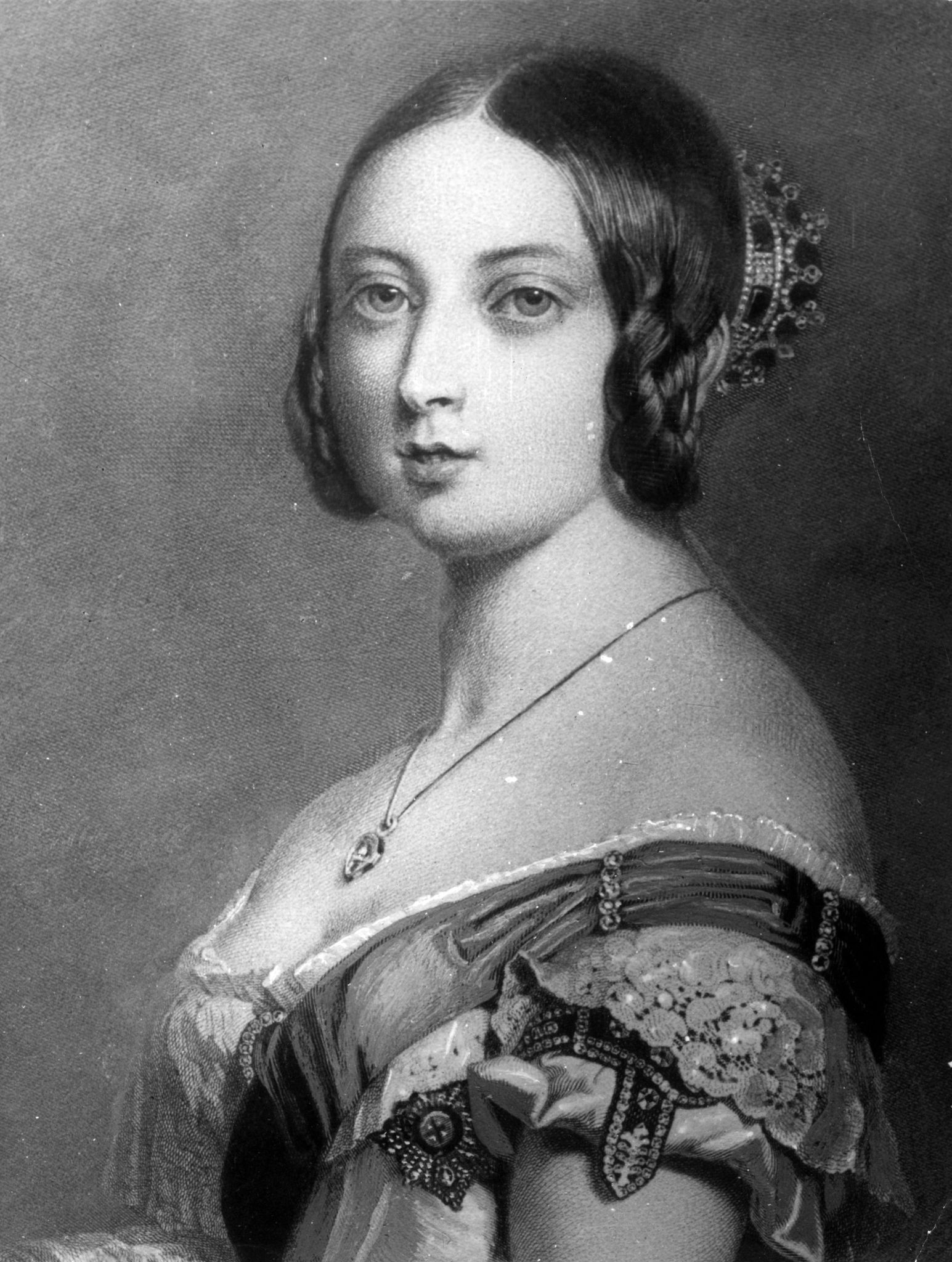
This becomes even more complex when she marries Prince Albert. Their relationship is one of the most fascinating elements of the series because it refuses simplicity. Albert is intelligent, progressive, deeply invested in education, science, and reform. And yet, he is also profoundly uncomfortable with Victoria’s position. As a German prince in a British court, he never quite belongs. As a husband to a reigning Queen, he cannot occupy the role society prepared him for.

That discomfort festers. At times, it turns into a need to control, to correct, to reassert superiority by questioning Victoria’s rationality or painting her emotions as dangerous. It is painfully recognizable: a man who feels diminished by a woman’s power and unconsciously tries to reduce her to regain his own sense of worth. The series does not demonize him — it shows how patriarchy damages men too — but it never excuses the harm.
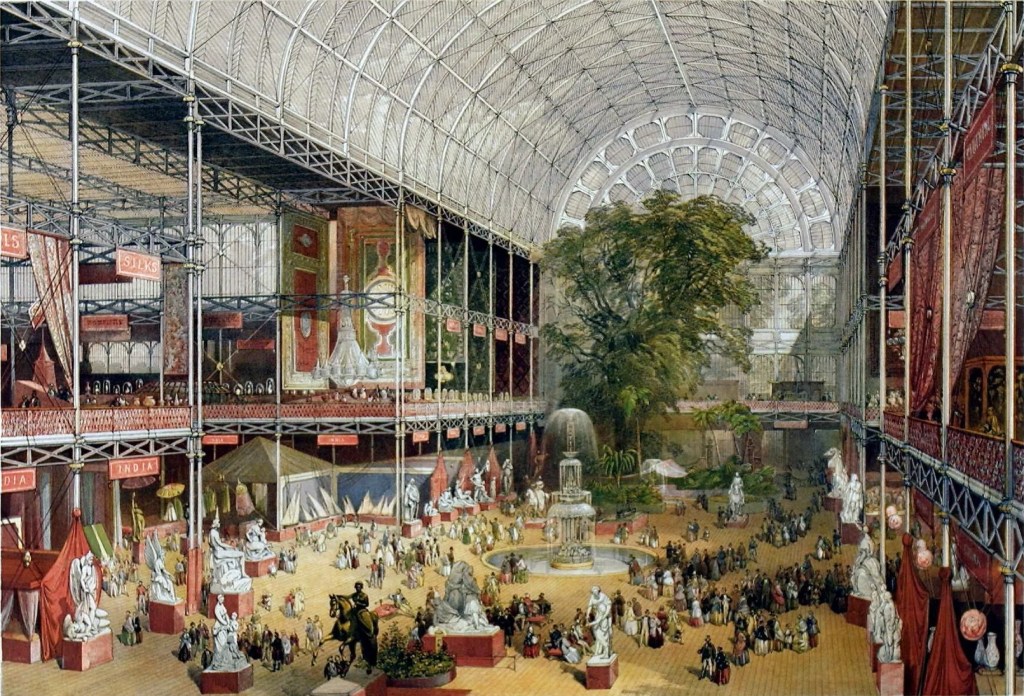
And yet, Albert also gives the world one of its most striking symbols of progress: the Great Exhibition of 1851. Conceived as a celebration of human ingenuity, industry, and innovation, the Crystal Palace stands as a monument to optimism. Britain presents itself as the pinnacle of civilization, reason, and advancement.
But Victoria refuses to let us admire that progress without asking a harder question: progress for whom?
Because at the very same time, people are starving.
The series confronts us with the reality of the Irish Potato Famine, a catastrophe that killed over a million people and forced millions more into exile. Ireland, under British rule, is treated not as a nation of human beings in desperate need, but as a political inconvenience. Aid exists, but it is limited, conditional, and poisoned by ideology. Hunger is moralized. Suffering is bureaucratized.
The show makes clear that Victoria herself wanted to help — and historically, she did push for relief — but it also shows the brutal truth of constitutional monarchy: wanting is not the same as being able. Power is fragmented, and responsibility is easily deflected. The wound left by that famine did not heal. It still pulses beneath British-Irish relations today.
As if hunger were not enough, disease ravages the poorest parts of London. One of the most haunting storylines echoes the real Broad Street cholera outbreak, where over a hundred people died on a single street because their drinking water was contaminated. What is most chilling is not the outbreak itself, but the refusal of authorities to accept the truth. Clean water as a cause of disease challenges entrenched beliefs, and so denial prevails — at the cost of human lives.
Again and again, the show reveals a pattern: suffering persists not because solutions are impossible, but because power resists change.
This resistance becomes impossible to ignore when the Queen organizes a lavish ball while the population is starving. The public outrage that follows is not petty or irrational. It is visceral. Celebration, in times of despair, becomes a symbol of abandonment. The people do not merely lack bread — they feel unseen. Leadership fails not only through action, but through tone, timing, and distance.
Inside the palace walls, another quiet tragedy unfolds: parenting.
Victoria and Albert struggle deeply with their children. They want excellence. They want discipline. They want results. When a tutor appears to deliver those results, they initially applaud — until they discover that the success is built on violence, on beating their son into obedience. Discipline has replaced understanding. Trauma has replaced education.
The series does not absolve them. Instead, it shows something far more uncomfortable: parents acting from their own wounds, their own fears, their own inherited beliefs. Children misunderstood. Sensitivity punished. And once again, we recognize the pattern.
Women’s condition – has anything really changed?
Throughout the series, Victoria consistently shows concern for women trapped by marriage, law, and reputation. In a society where a woman has no legal claim over her own children and no protection from an abusive husband, escape often means exile. One of the final storylines — involving a duchess forced to choose between abandoning her child to remain near a dangerous man or fleeing to America with the man she loves — encapsulates the cruelty of that reality. There is no good choice. Only survival.
Victoria sides with compassion. Not loudly. Not revolutionarily. But persistently. In doing so, she reveals herself as something quietly radical for her time: a feminist before the word existed, aware that women’s suffering was not personal failure, but structural violence. She often points how everyone sees her only through her pregnancy and not as a woman and a person anymore once she starts having children.
And perhaps this is what lingers most after the final episode.
The unsettling realization that so many of these dynamics — men belittling women to protect fragile identities, women negotiating power without safety, children disciplined instead of understood, progress coexisting with cruelty — are not relics of the past.
They are echoes.
Watching Victoria does not reassure us that humanity has evolved. It asks whether we have truly healed, or whether we have simply learned to disguise the same wounds with more polished language.
And in that sense, the series is not only historical. It is a true reflection of our era and humanity.
 POSITIVE SOCIAL IMPACT - Where Growth & Soulful collaborations happen
Un gouvernant est nécessairement une personne seule car c’est elle qui signe et qui va être responsable de tout ce qui va se passer. Elle ne peut donc subir aucune influence ou manipulation. Gouverner c’est décider et toutes les variantes sont une incapacité à assumer le statut. La démocratie a été inventée pour soulager le gouvernant de cette responsabilité qui, au fil du temps, devient très lourde à porter car elle dissocie les thèmes (économie, finances, emploi etc.) mais elle laisse quand même la responsabilité de tout sur un président / roi, ce qui est anormal.
LikeLiked by 1 person
Intéressant – merci de votre commentaire – en effet le poids de la gouvernance est énorme et la reine Victoria incarne bien cette position mais on voit qu’elle est très clairement influencée – par exemple lors de la famine en Irlande, elle voulait aider mais elle a été arrêtée par ses conseillers pour de multiples raisons, que j’ai trouvé regrettables d’ailleurs – elle est aussi affectée par ses « pregnancies », car elle a procréé 9 fois! Votre description de la gouvernance est partiellement juste, étant donné qu’il faut à un moment donné décider bien sûr mais je commencerais par dire que gouverner c’est d’abord écouter. C’est ce que les hommes ne savent malheureusement pas faire et majoritairement ce pourquoi ils échouent en position de leadership.
LikeLike