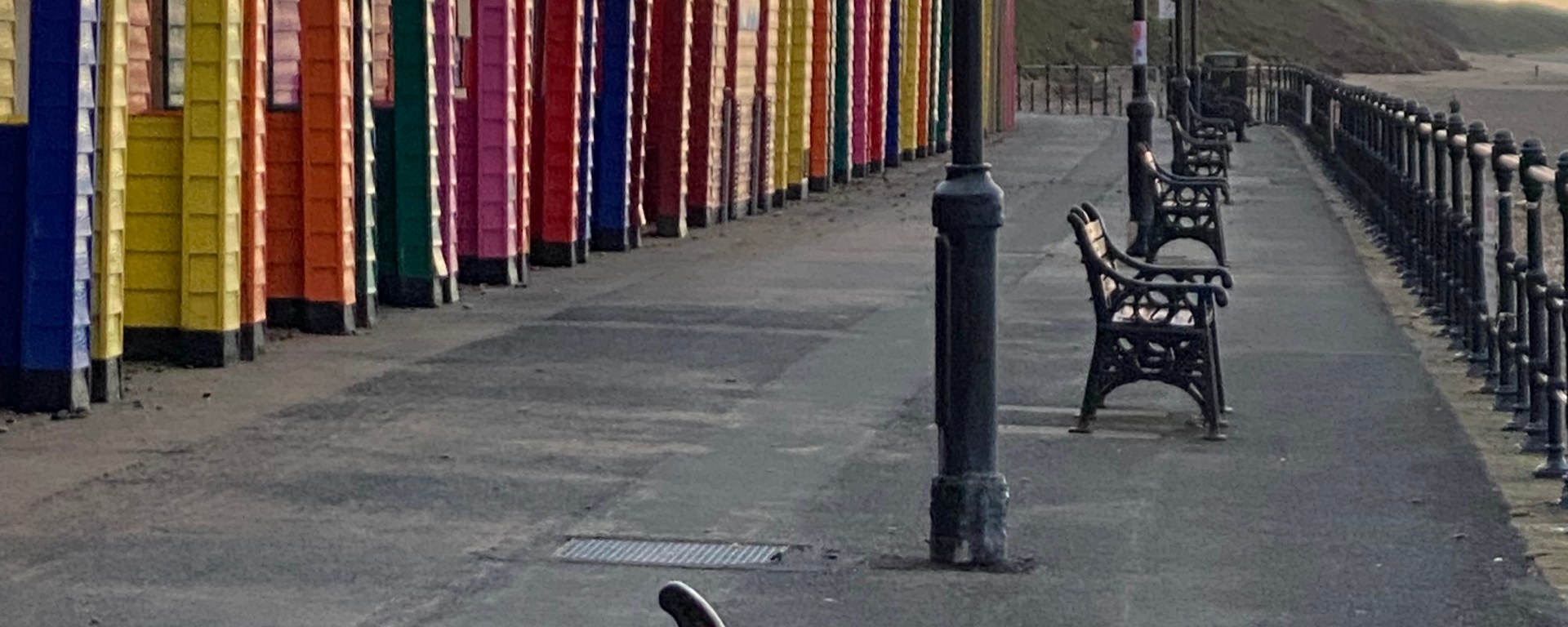
I recently spent one month in this area and enjoyed it a lot – within a one-hour drive – two hours back and forth – you can easily go from Saltburn to Whitby and stop in all the places mentioned here for an extraordinary day trip or a week-end getaway. I recommend this area because on each stop, you’ll find breathtaking views, piers, sea views, nice food and incredibly quaint villages.
Saltburn-by-the-Sea
Saltburn was deliberately created in the 1860s as a Victorian seaside resort.
It was developed by the Pease family, influential Quaker industrialists.
The town was designed with wide streets and gardens to attract refined visitors.
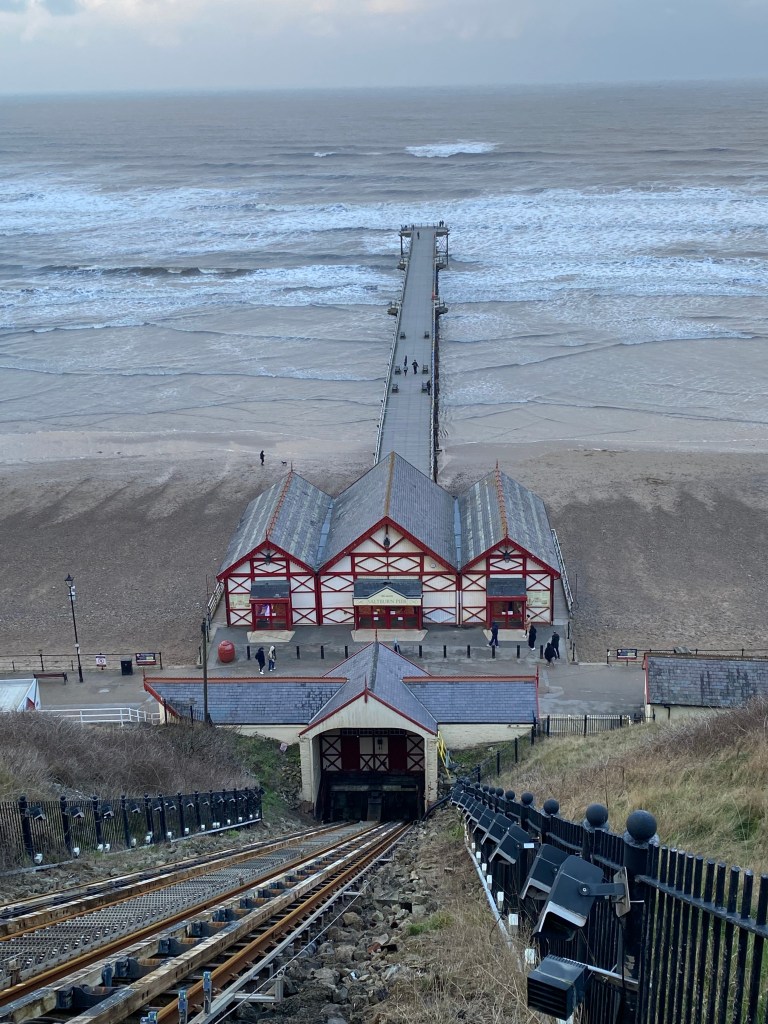
Its pier, opened in 1869, is one of the oldest surviving piers in Britain.
Saltburn Cliff Lift, opened in 1884, is the oldest operating water-balanced cliff lift.
The town was promoted as a health destination, especially for sea air and bathing.
Unlike many resorts, Saltburn avoided heavy commercialisation for decades.
Its Victorian character remains unusually intact today.
In Saltburn-by-the-Sea, you can go for tea, coffees at Annie’s, Scoundrels, Signals and for nice meals (best turkey I’ve ever had!) & breakfasts at the Spa Hotel.
Staithes
Staithes began as a small Viking settlement along the Yorkshire coast.
For centuries, it relied almost entirely on fishing and seafaring.
The village layout reflects its working past: steep lanes and tightly packed houses (definitely one of the most surprising village I’ve ever seen!).
Captain James Cook lived here as an apprentice before becoming an explorer (like me 🙂 !).
Staithes later attracted artists in the late 19th century, forming the Staithes Group.
Its isolation helped preserve traditional ways of life well into the 20th century.
Storms and tides shaped both the harbour and the community’s resilience.
Today, it still feels closer to its past than to modern tourism (absolutely!).
Runswick Bay
Runswick Bay was once a thriving fishing village with over 30 boats.
In 1664, part of the original village collapsed into the sea due to erosion.
The settlement was rebuilt further inland, where it stands today.
Smuggling was common here in the 18th century due to hidden coves.
The bay’s shape offered natural shelter for fishing vessels.
Runswick was nearly deserted in the 19th century as fishing declined.
Its quiet survival contrasts with more commercial seaside towns nearby.
The landscape remains largely unchanged for hundreds of years.
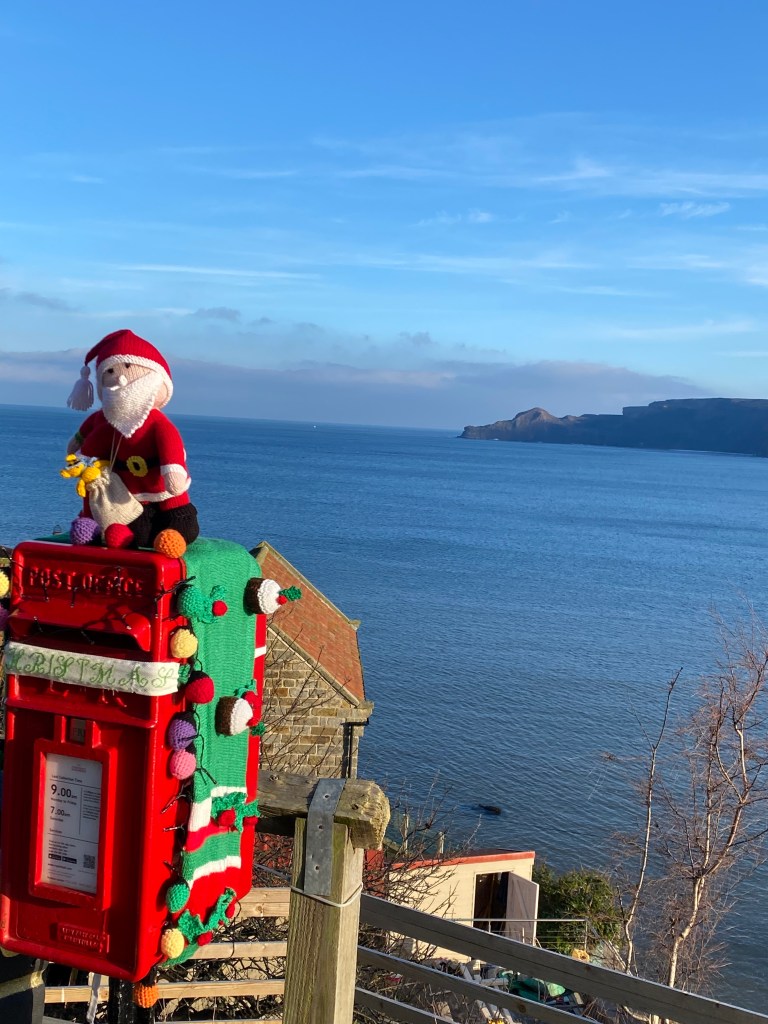
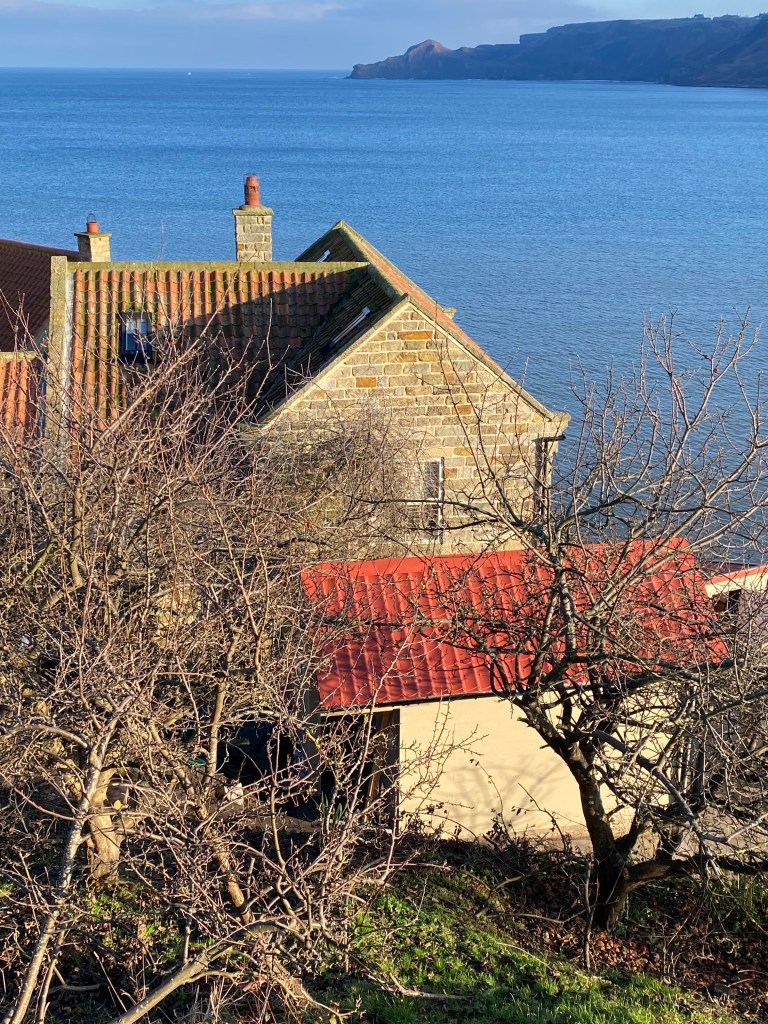
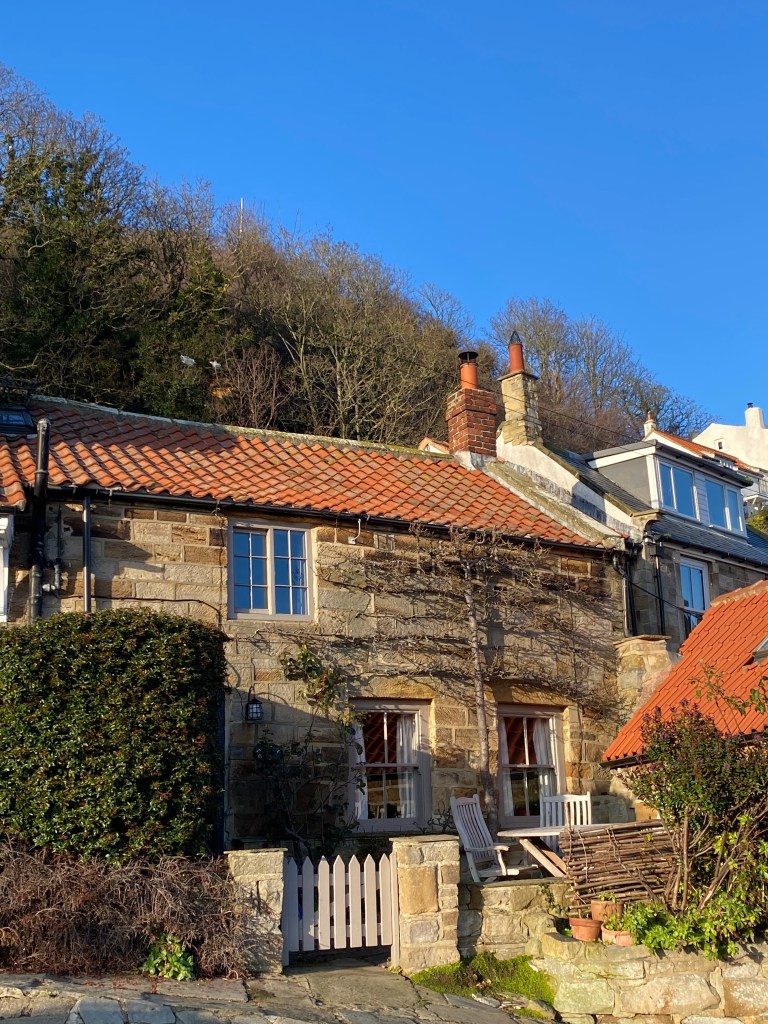
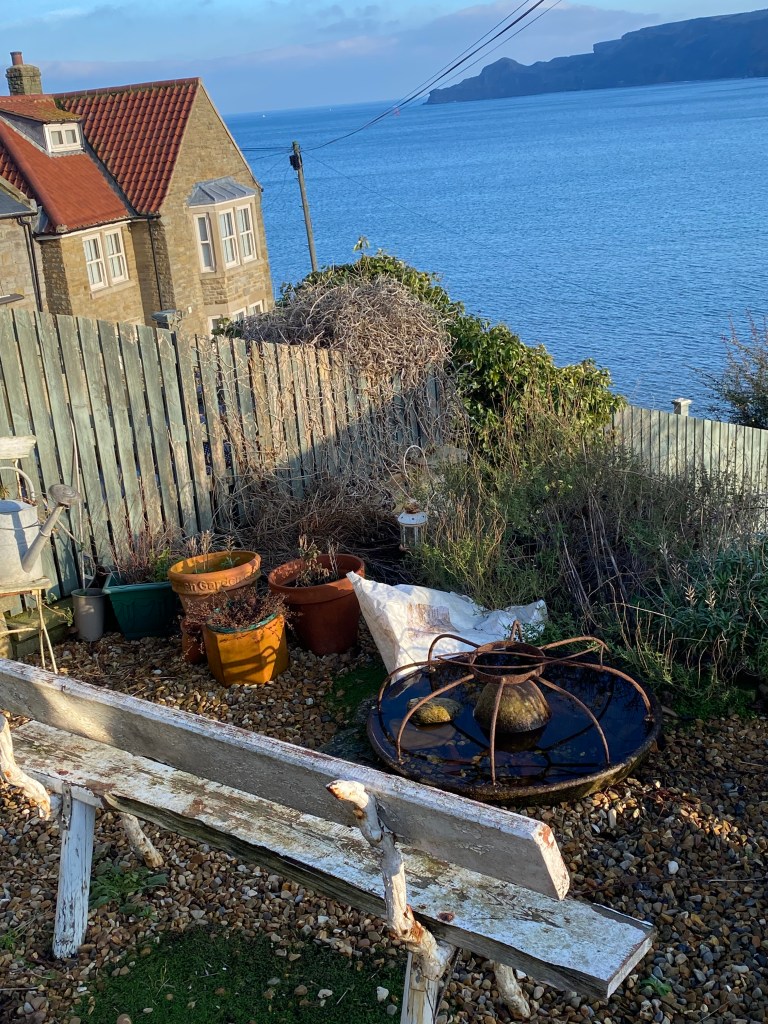
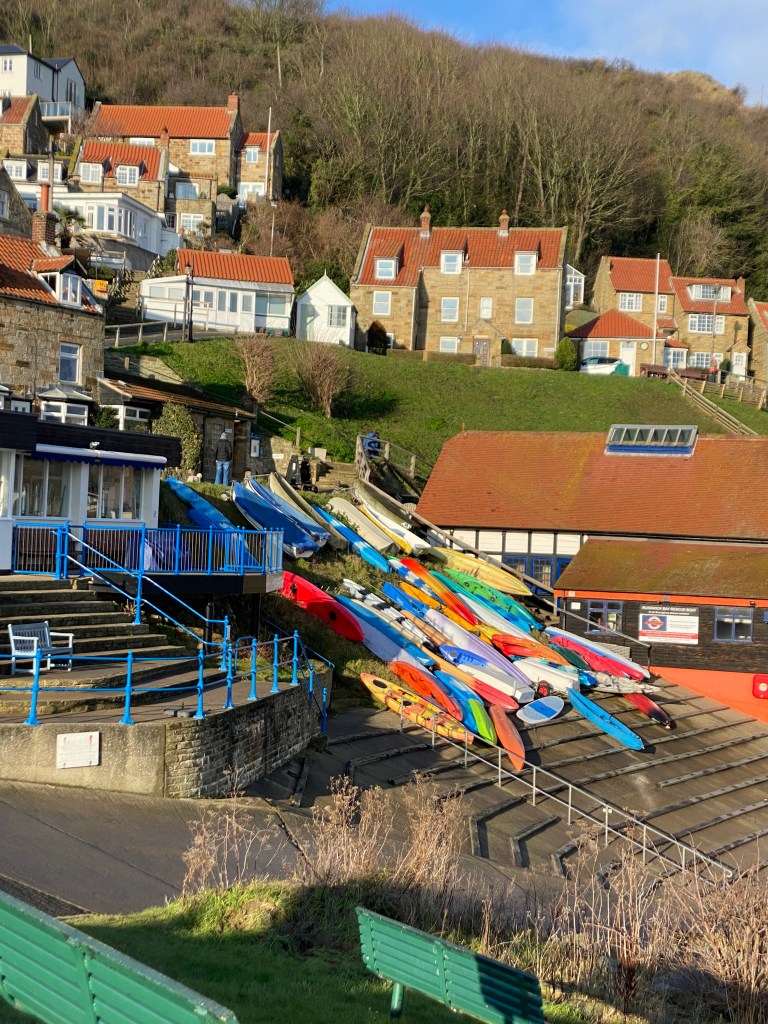
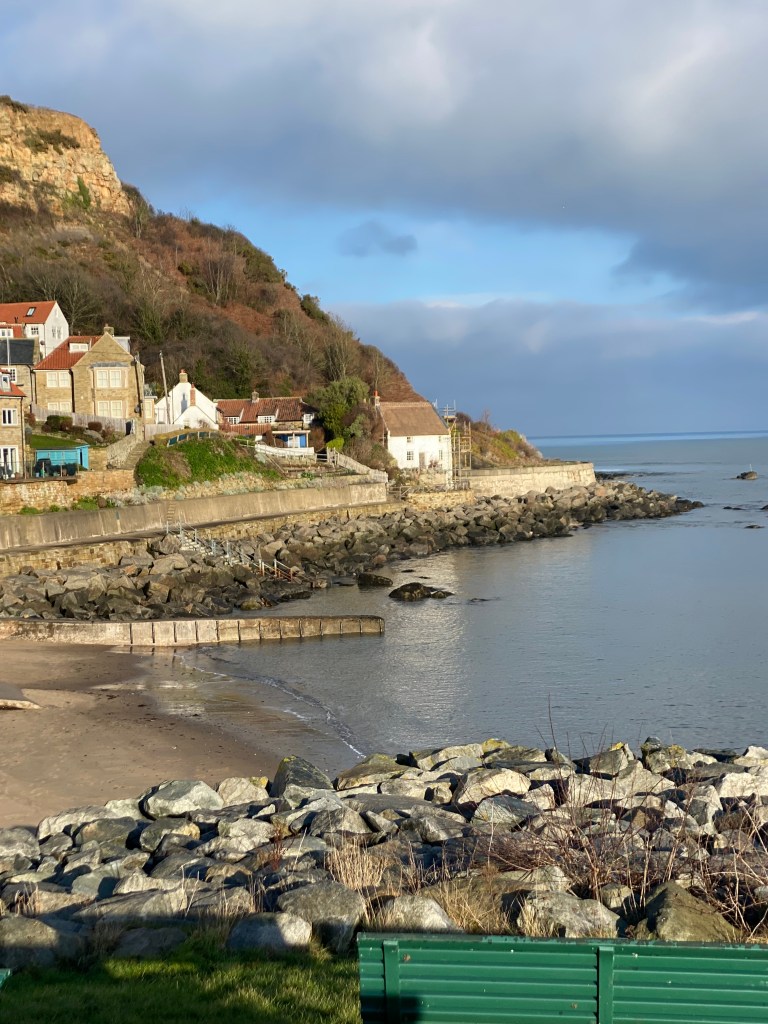
I truly had a crush on this village – there is a poetic vibe there that I wouldn’t know how to describe – you will also find a nice hotel and restaurant open all your round with a cosy fireplace to serve you whatever makes your journey more enjoyable 🙂
Whitby
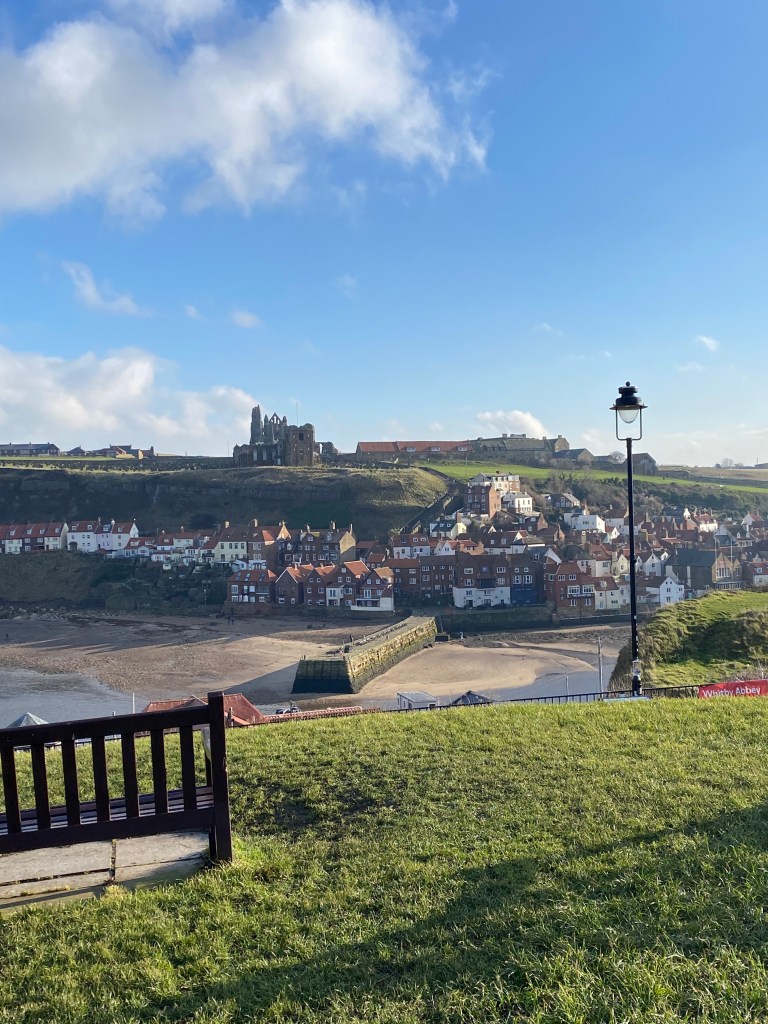
Whitby began as a Saxon monastery founded in the 7th century.
The Synod of Whitby (664 AD) helped shape early English Christianity.
Its abbey later became a prominent ruin after Henry VIII’s dissolution.
Whitby was a major whaling port in the 18th century.
Captain James Cook trained here before mapping large parts of the world.
The town became linked to Gothic literature through Dracula.
Its 199 steps symbolise the climb between faith, history, and daily life.
Whitby has always balanced work, belief, and myth.
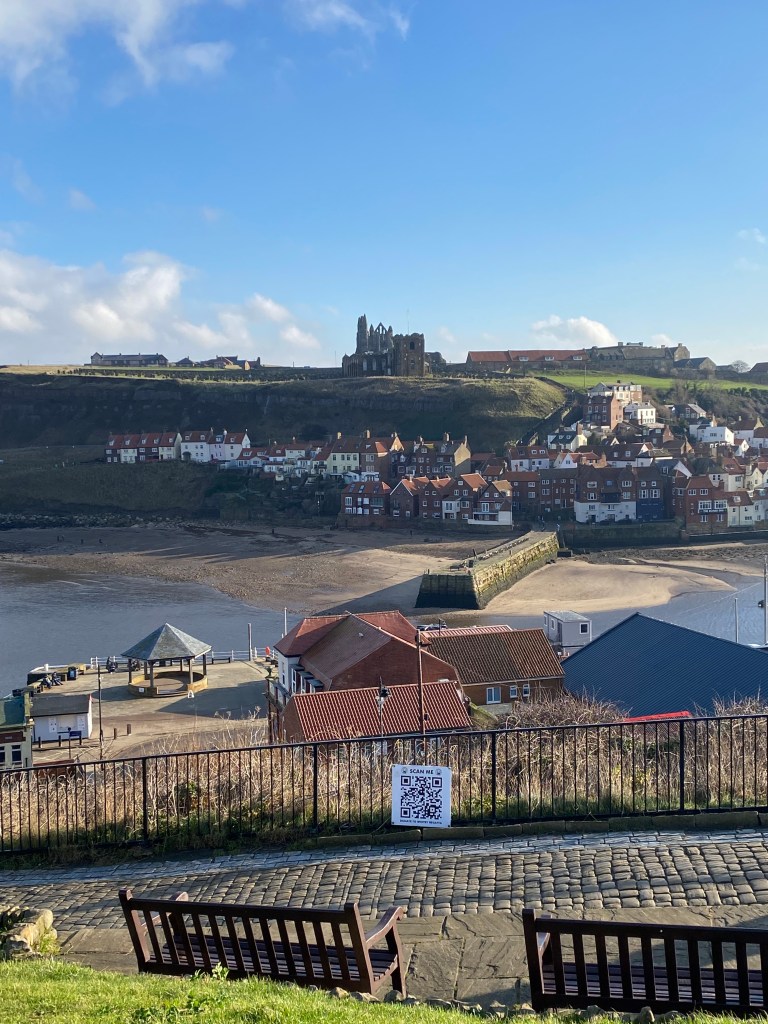
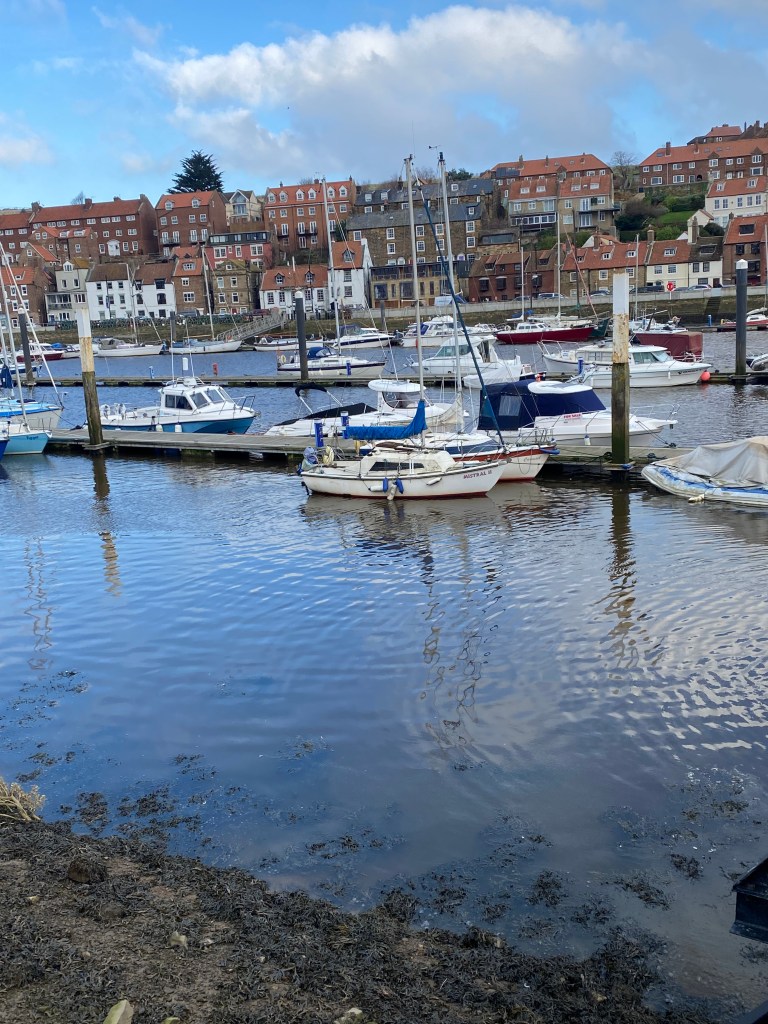
Goathland
Goathland lies at the heart of the North York Moors, historically used for grazing.
The surrounding moorland has been inhabited since prehistoric times.
The village developed slowly, shaped by farming rather than trade.
Goathland Station dates from the 1860s railway expansion.
Goathland railway station became famous as Aidensfield in Heartbeat and as Hogsmeade in Harry Potter. It was featured in several films and television series, including All Creatures Great and Small (a nice TV show about vets back in the days).
Nearby waterfalls were used historically as natural washing and water sources.
Isolation preserved traditional village rhythms well into modern times.
The landscape remains its most powerful legacy.
 POSITIVE SOCIAL IMPACT - Where Growth & Soulful collaborations happen
Thank you for the information very interesting.🙂🏴🌞☯️
LikeLiked by 1 person
Hope you will go! Saltburn is very known for Surf! I’m in Carmarthen so I will pop up in Tenby this week, maybe Friday
LikeLike