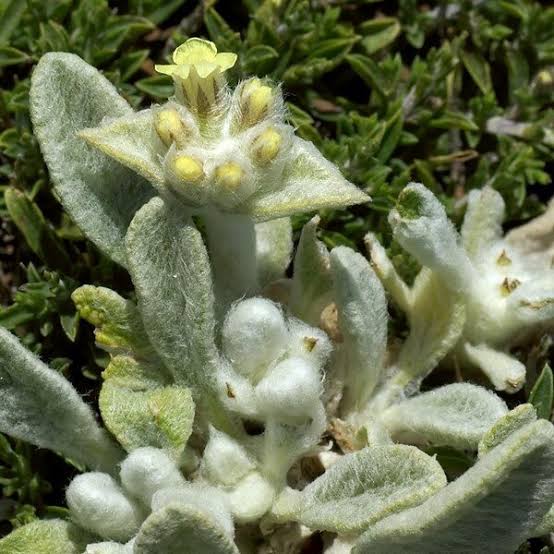
When wandering through the rugged landscapes of Crete, one cannot help but notice the wild herbs growing abundantly across the hillsides. Among these natural treasures is the famed mountain tea, also known as “Tsai tou Vounou” or “Shepherd’s Tea,” a staple of Cretan culture and a gift to both the palate and the body.
What is Mountain Tea?
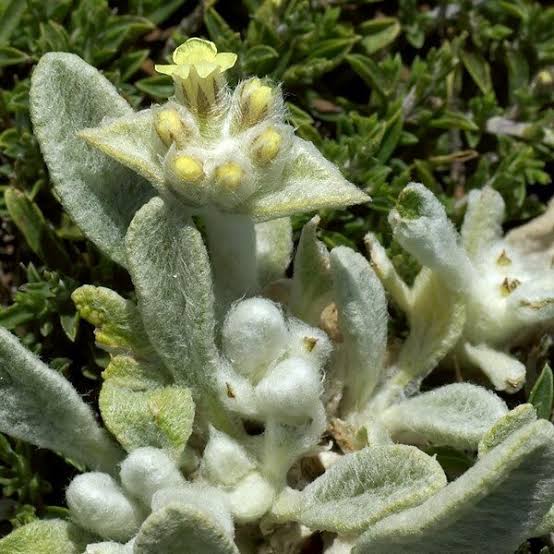
Mountain tea refers to the herbal infusion made from the dried leaves and flowers of plants belonging to the Sideritisgenus. In Crete, the most common variety is Sideritis syriaca, also called Malotira. This hardy herb thrives in the island’s high-altitude, rocky terrain, nourished by the Mediterranean sun and cooled by mountain breezes.
For centuries, mountain tea has been cherished not only for its delicate, earthy flavor but also for its impressive health benefits. Local shepherds were known to gather the herb during their time in the mountains, using it as a remedy for various ailments, hence the name “Shepherd’s Tea.”
The Health Benefits of Mountain Tea
Modern science is catching up with traditional wisdom, confirming many of the health benefits that Cretans have known about for generations. Here are some of the key reasons mountain tea deserves a place in your daily routine:
- Rich in Antioxidants Mountain tea is packed with flavonoids, polyphenols, and other antioxidants that help combat oxidative stress in the body. These compounds protect cells from damage caused by free radicals, reducing the risk of chronic diseases like heart disease and cancer.
- Supports Immune Health The herb contains natural antimicrobial and anti-inflammatory properties, making it a great ally during cold and flu season. A warm cup of mountain tea can soothe a sore throat, ease coughing, and help the body fight off infections.
- Improves Digestive Health Traditionally, mountain tea has been used to alleviate digestive discomforts such as bloating, indigestion, and cramps. Its mild anti-inflammatory effects can help calm an irritated stomach.
- Promotes Relaxation With its naturally calming properties, mountain tea is an excellent beverage to unwind with at the end of a busy day. It is caffeine-free, making it a perfect choice for those who want a soothing drink before bedtime.
- Supports Respiratory Health In Crete, mountain tea has long been used as a remedy for respiratory issues. It can help clear congestion, ease breathing, and provide relief from symptoms of colds and allergies.
- Bone Health Studies suggest that Sideritis may have a positive effect on bone density, making it a potential natural aid in preventing osteoporosis. This is particularly important for aging populations.
How to Prepare Mountain Tea
Preparing mountain tea is simple and requires just a few steps:
- Take a handful of dried mountain tea stems, including the leaves and flowers.
- Rinse them gently under cool water to remove any dust.
- Place them in a pot of water and bring it to a boil.
- Reduce the heat and let the tea simmer for 5-10 minutes, allowing the flavors and beneficial compounds to infuse.
- Strain the tea into a cup and enjoy it as is, or add a drizzle of honey and a squeeze of fresh lemon for extra flavor.
Where to Find Mountain Tea
While mountain tea grows wild in Crete, it is also widely available in dried form at local markets, herbal shops in all the Mediterranean, and online stores. Look for organic, sustainably harvested varieties to ensure the highest quality and flavor.
Embracing the Cretan Way of Life
Drinking mountain tea is more than just a healthful habit; it’s a way to connect with the timeless traditions of Crete. As you sip this fragrant infusion, imagine the rolling hills of the island, the crisp mountain air, and the shepherds who first discovered its magic. By incorporating mountain tea into your daily routine, you’re not only boosting your well-being but also savoring a small piece of Cretan heritage.
 POSITIVE SOCIAL IMPACT - Where Growth & Soulful collaborations happen