When you step into a ballet studio anywhere in the world, one thing is always the same: the language of ballet is French. Whether you’re in New York, London, Tokyo, or Sydney, dancers and teachers use French words to describe movements and positions.
For English speakers, this can feel mysterious.
What exactly do these French terms mean?
Contact me to Learn French though Arts & Culture
In this guide, you’ll discover the most common French ballet vocabulary, their English translations, and a little cultural insight into why ballet “speaks French.”
Why Is Ballet Vocabulary in French?
Ballet originated in the courts of Renaissance Italy, but it was in France under King Louis XIV that it truly developed as an art form. French became the official language of ballet, and to this day, all around the globe, dancers use French terminology to describe movements with precision.
Essential Ballet Vocabulary in French
Here are some of the most common French ballet words, with their English translations and explanations:
Basic Positions
- Positions des pieds – Positions of the feet
- Première position – First position
- Deuxième position – Second position
- Troisième position – Third position
- Quatrième position – Fourth position
- Cinquième position – Fifth position
- Première position – First position
Foundational Movements
- Plié – Bend (bending the knees)
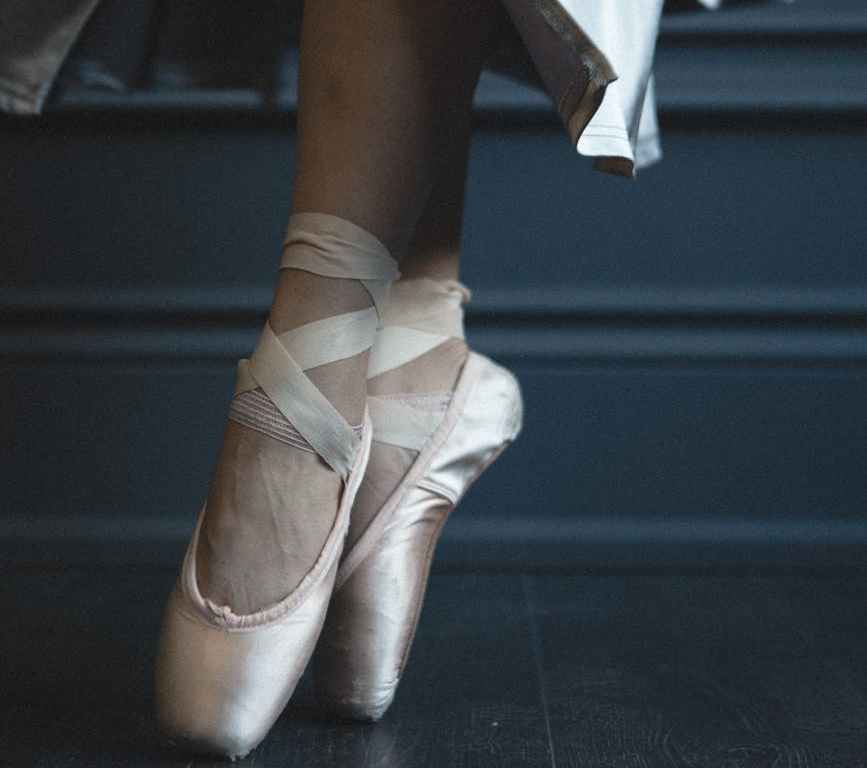
- Relevé – Raised (rising onto the balls of the feet)
- Tendu – Stretched (the leg extends while keeping the foot on the floor)
- Dégagé – Disengaged (similar to tendu, but the foot leaves the floor slightly)
- Rond de jambe – Circle of the leg
Turns and Jumps
- Pirouette – Whirl or spin (a turn on one leg)
- Jeté – Thrown (a leap where one leg appears to be “thrown” in the air)
- Assemblé – Assembled (the feet meet together in the air before landing)
- Sauté – Jumped
Graceful Movements
- Adagio – Slow and graceful movements
- Allégro – Brisk and lively movements
- Port de bras – Carriage of the arms
Why Learning the French Behind Ballet Matters
When you know the exact meaning of ballet terms in French, you don’t just follow instructions—you truly understand them. This gives more depth to your dance practice and connects you with the history, elegance, and artistry of ballet’s French heritage.
For English speakers, it’s also a unique way to learn French vocabulary that is alive, international, and full of beauty.
Learn French Through Arts & Culture
If ballet inspires you, imagine learning French through a passion-driven, artistic, and intercultural journey. With the right guidance, French doesn’t feel like memorizing grammar—it becomes a living language you absorb effortlessly, just as dancers absorb ballet vocabulary in every class.
✨ If you’d like to explore French through your passions—whether ballet, literature, cinema, or other arts—I’d be delighted to guide you on that journey. Feel free to contact me through the contact page! Emi
 POSITIVE SOCIAL IMPACT - Where Growth & Soulful collaborations happen