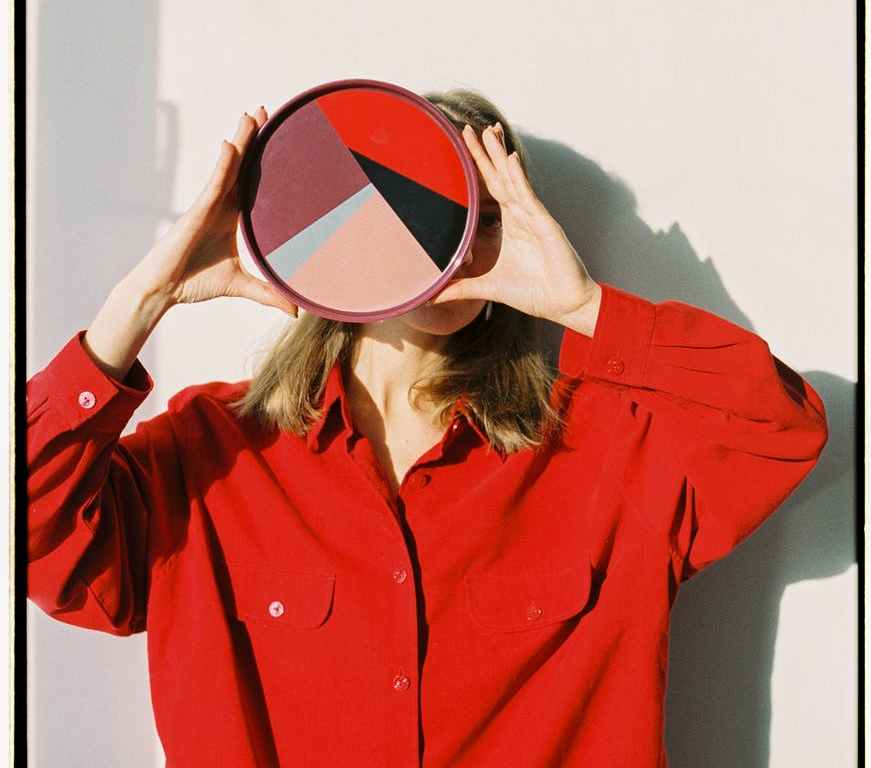
Many people are affected by this phenomenon and are held back in their lives because of their invisible giftedness. This term means that the person does not know that they are affected by the characteristics of giftedness, and therefore has low self-esteem or a skewed awareness of who they are. And this can have a negative impact on their choices, because they may not be adapted to their needs.
Source: I took these notes during an ITW with Frédéric Michaud, a French expert specialized in coaching people with high potential.
I’ve broken them down into several articles, so don’t hesitate to scroll through the blog to read the other contributions, which I found really relevant.
Invisibility for oneself
The vast majority of gifted people have difficulty asserting themselves as gifted.
Why is it so difficult to recognize one’s giftedness?
Not least because in France, we’re years behind the Anglo-Saxon countries, where there are a lot of things in place for people with giftedness, and have been for a long time.
We also have to admit that there is a certain form of collective intolerance that leads to this self-censorship. In France, giftedness is not well accepted socially, so people find it hard to assert themselves and a vicious circle is created.
Invisibility for others
Many people are affected by this phenomenon and are held back in their lives because of their invisible giftedness. This term means that the person does not know that they are affected by the characteristics of giftedness, and therefore has low self-esteem or a skewed awareness of who they are. And this can have a negative impact on their choices, because they may not be adapted to their needs.
Source: I took these notes during an ITW with Frédéric Michaud, an expert specialising in coaching people with high potential.
I’ve broken them down into several articles, so don’t hesitate to scroll through the blog to read the other contributions, which I found really relevant.
Invisibility for oneself
The vast majority of gifted people have difficulty asserting themselves as gifted.
Why is it so difficult to recognise one’s giftedness?
In France, we’re years behind the Anglo-Saxon countries, where there are a lot of things in place for people with giftedness and have been for a long time.
We also have to admit that in certain countries, there is a certain form of collective intolerance that leads to this self-censorship. In France, giftedness is not well accepted socially, so people find it hard to assert themselves and a vicious circle is created.
Invisibility for others
Other people don’t necessarily see who you are, and they can’t necessarily see or understand you. Sometimes they also decide not to see it because being aware of it scares them.
Others wonder what it might mean, and for those close to you, it is often linked to the idea of losing the person, telling themselves that their giftedness will take them far, because the person will need to find fulfillment elsewhere, in other networks and other spheres.
But beware! Although this may be true, it is not necessarily always the case. Gifted people are perfectly capable of adapting, living and flourishing in a wide range of environments and fulfilling themselves through choices based on their values, on responses to needs and not on ambitions alone.
In all cases, when giftedness has been denied, at some point in our lives we come up against an invisible wall: when it comes to putting our lives together, not taking our giftedness into account has often prevented us from making the right choices.
And this non-recognition often produces persistent doubt. A self-doubt that is always present because the person has not forged their identity within the frameworks that corresponded to them. Doubt then becomes a symptom, like the tip of the iceberg.
And as long as you’re in doubt, you’re in trouble and not in the solution, which is why it’s so important to give yourself importance and go all the way on your personal journey to recognize yourself and your unique characteristics.

 POSITIVE SOCIAL IMPACT - Where Growth & Soulful collaborations happen